Does Feeding Affect My Baby's Sleep?
1 min read Published 3 Jun 2026
By Georgia Hayward, Certified Infant & Toddler Sleep CoachThe Link Between Feeding and Sleep
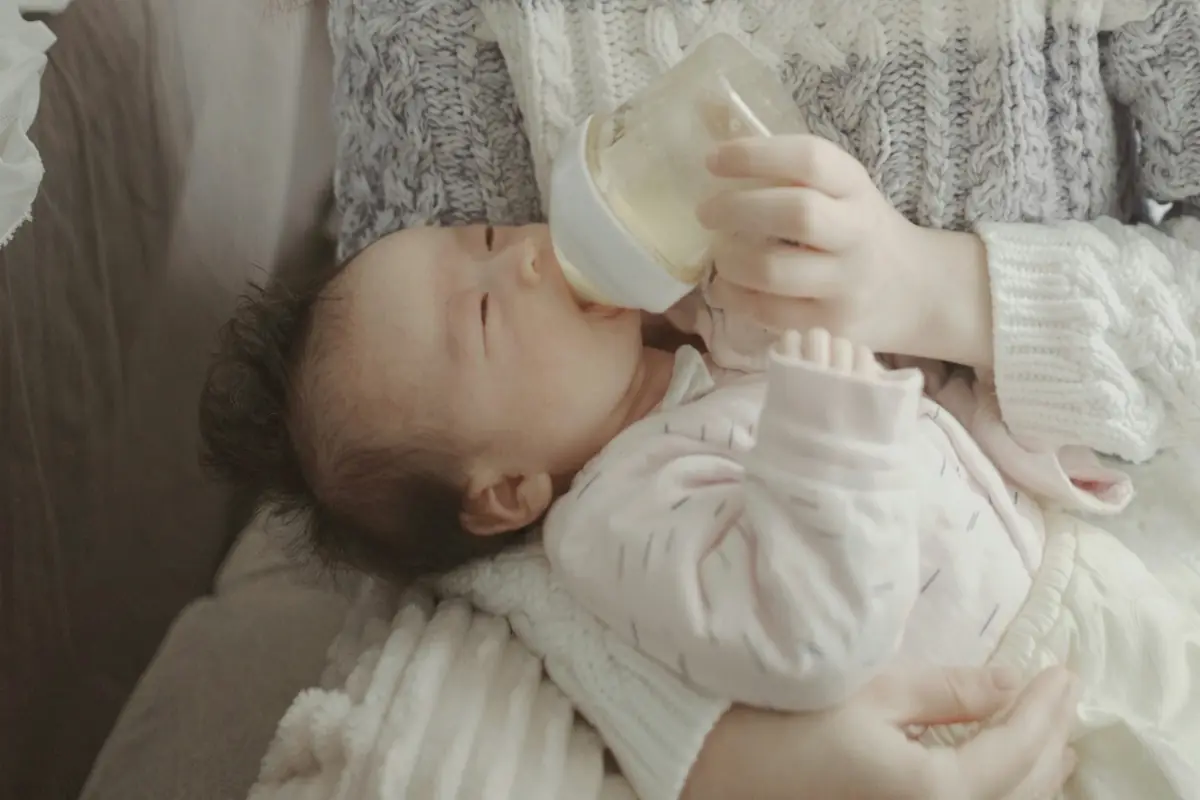
Feeding and sleep are closely linked, particularly during infancy. Young babies have small stomachs and need regular feeds both day and night. Feeding also provides comfort, connection and reassurance, which is why many babies naturally fall asleep during or after a feed.
Common Myths
One of the biggest myths is that formula-fed babies sleep better than breastfed babies, or that starting solids will automatically lead to longer stretches of sleep. In reality, every baby is different, and there is no guarantee that a particular feeding method will improve sleep.
As babies grow, ensuring they are receiving adequate milk and nutrition during the day can support better sleep overnight. However, sleep is influenced by many factors.
Night Feeds Are Normal
If your baby still wakes to feed during the night, this doesn't mean something is wrong. Night feeds can remain biologically normal well beyond the newborn stage, and every child's needs will be different.
If you have any concerns about feeding, milk intake, weight gain or your baby's nutrition, it's important to seek advice from your GP, health visitor or an infant feeding specialist.
If you're in the early weeks with a newborn and would like expert support with sleep, my Newborn Essentials package (£100) includes a 45-minute call and a comprehensive guide covering safe sleep, routines and settling.
Quote PARENTBOOST when you get in touch at info@tenderlovingsleep.com to receive 15% off. Find me on Instagram @tenderlovingsleep.
This article is published by ParentBoost. It was written or reviewed for ParentBoost by the contributor below and edited by our team. It is general information for parents, not individual professional advice.

Georgia Hayward
Certified Infant & Toddler Sleep Coach
Hi, I'm Georgia. Based in Sussex, I am an OCN-certified Infant and Toddler Sleep Coach and NHS Midwife. I've spent over nine years working closely with parents and young children, giving me a real understanding of the challenges that come with early childhood, especially when it comes to sleep. Having experienced sleep deprivation first-hand as a mum, I now provide gentle, evidence-based sleep support tailored to your child's needs through my service, Tender Loving Sleep.
This article is general guidance for parents and carers, not medical, health, legal or other professional advice. Every child is different. If you're worried about your child's health or development, talk to your GP, health visitor or another suitable professional. In an emergency, call 999. For urgent advice, call NHS 111.