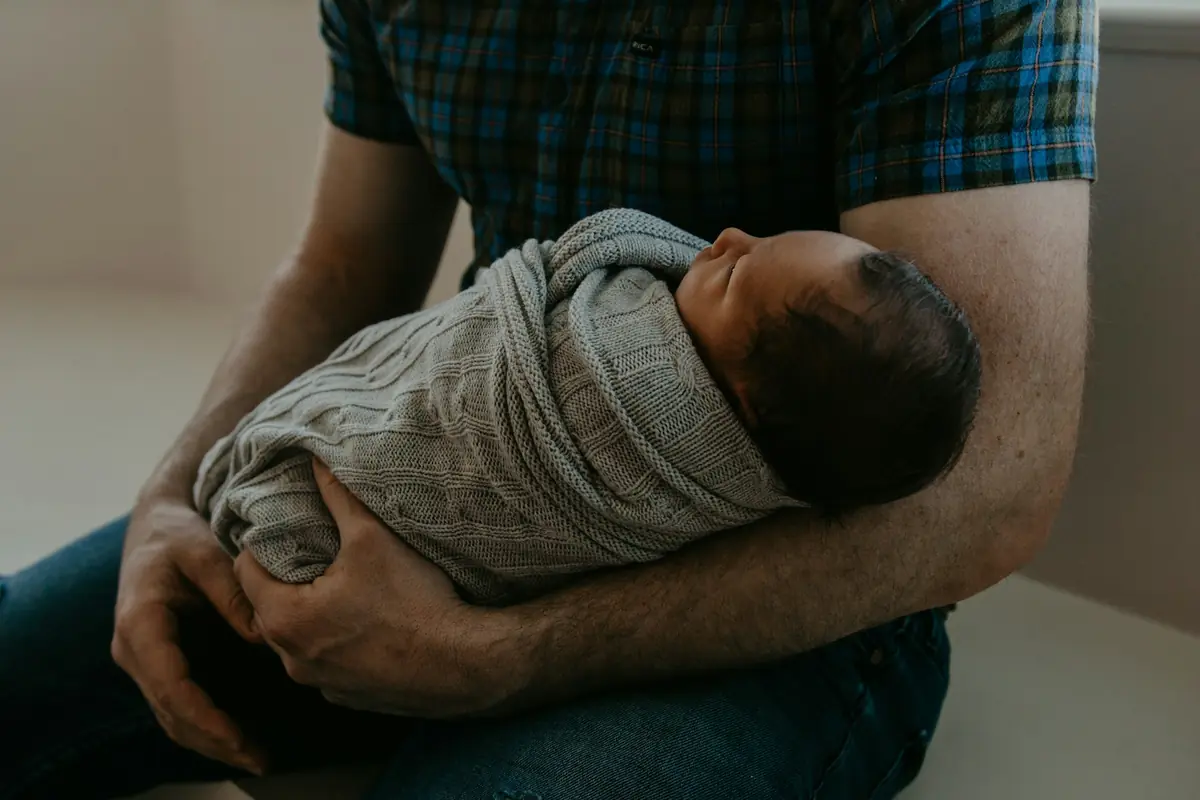
Are Contact Naps a Bad Habit?
1 min read Published 3 Jun 2026
By Georgia Hayward, Certified Infant & Toddler Sleep CoachThe Short Answer: No
Babies are biologically wired to seek closeness, comfort and connection from their caregivers. For many babies, contact naps provide a sense of safety and security that helps them settle and sleep.
Many parents worry that holding their baby for naps will create a "bad habit" or make their baby overly dependent on them. However, responding to your baby's need for comfort is not something you need to feel guilty about.
When They Stop Working
That said, while contact naps work beautifully for some families, they can become challenging if parents feel unable to rest, spend time with other children, or get things done during the day. What works well for one family may not work for another.
Sign up free to read the rest
It's free, and we'll pick more Guides for your child's age.
Sign up freeAlready a member? Log in
This article is published by ParentBoost. It was written or reviewed for ParentBoost by the contributor below and edited by our team. It is general information for parents, not individual professional advice.

Georgia Hayward
Certified Infant & Toddler Sleep Coach
Hi, I'm Georgia. Based in Sussex, I am an OCN-certified Infant and Toddler Sleep Coach and NHS Midwife. I've spent over nine years working closely with parents and young children, giving me a real understanding of the challenges that come with early childhood, especially when it comes to sleep. Having experienced sleep deprivation first-hand as a mum, I now provide gentle, evidence-based sleep support tailored to your child's needs through my service, Tender Loving Sleep.
This article is general guidance for parents and carers, not medical, health, legal or other professional advice. Every child is different. If you're worried about your child's health or development, talk to your GP, health visitor or another suitable professional. In an emergency, call 999. For urgent advice, call NHS 111.