At What Age Can My Child Start Using an Electric Toothbrush?
1 min read Published 11 Jun 2026
By Dr Heam Asaad Ghazal, GDC Registered DentistAround Age 3 for Most Children
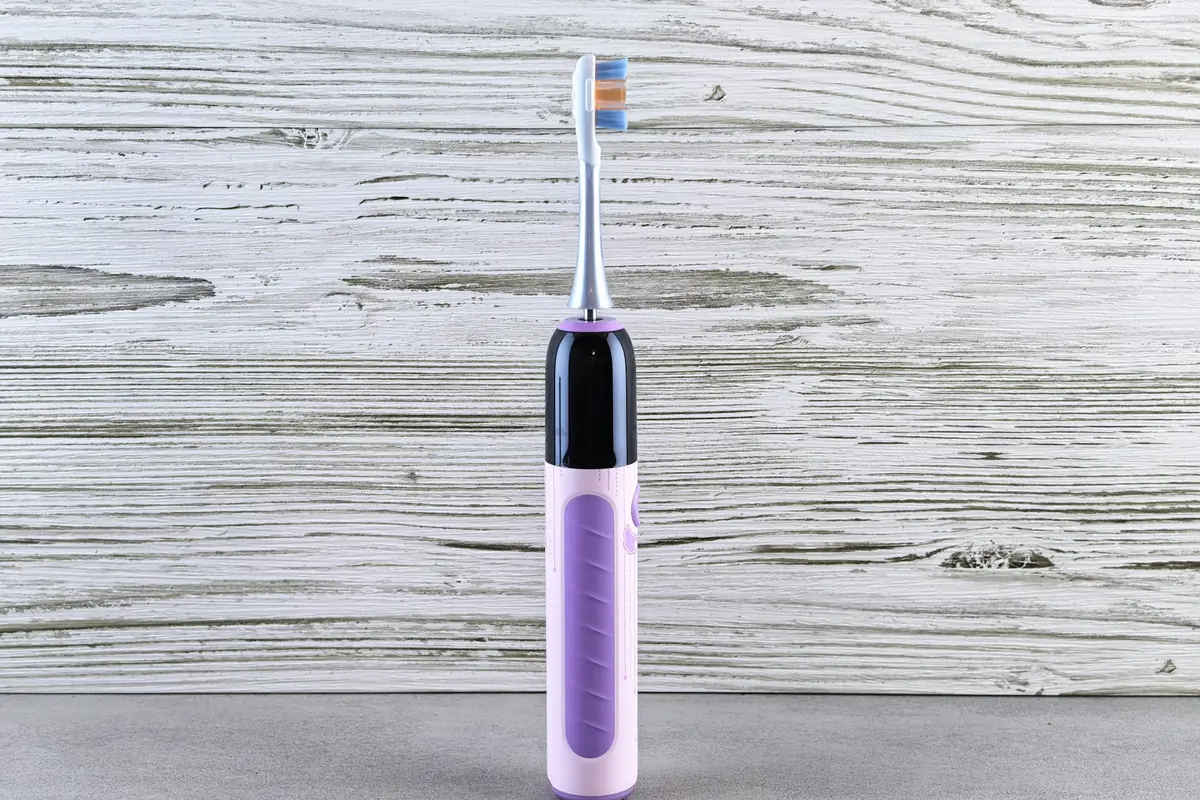
Electric toothbrushes are a brilliant tool for keeping children's teeth clean, and the good news is they don't need to wait long to use one. Most dentists recommend introducing an electric toothbrush from around age 3, though this can vary slightly depending on the brand. Some are designed specifically for age 3 and up, while others are recommended from age 4.
It's worth checking the manufacturer's guidance for whichever brush you choose, and looking for one with a small, round head designed for a child's mouth.
Why Electric Over Manual?
Electric toothbrushes do a more consistent job of removing plaque than manual brushing, particularly for young children who haven't yet developed the fine motor control needed to brush effectively by hand. The oscillating or vibrating head does much of the work for them, which means less depends on technique.
Many children also find electric toothbrushes more fun to use, especially models that play a two-minute timer song or light up. Anything that makes a child more willing to brush is a win.
Under 3? Manual Is Fine
For babies and toddlers under 3, a soft-bristled manual toothbrush is perfectly appropriate. Start brushing as soon as that first tooth appears, using a tiny smear of fluoride toothpaste no bigger than a grain of rice. At this stage you'll be doing all the brushing yourself, so technique matters more than the type of brush.
Always Supervise
Regardless of whether your child uses an electric or manual brush, dentists recommend that parents supervise brushing until at least age 7, and ideally continue to do a final brush-over themselves until around age 8 or 9. Children simply don't have the dexterity to reach all surfaces effectively on their own before then.
This article is published by ParentBoost. It was written or reviewed for ParentBoost by the contributor below and edited by our team. It is general information for parents, not individual professional advice.
Dr Heam Asaad Ghazal
GDC Registered Dentist
Dr Heam Asaad Ghazal is a GDC-registered dentist with 12 years of clinical experience, working across both NHS and private dentistry. Heam works across three practices: mydentist Old Christchurch Road in Bournemouth, 854 Dental Health in Moordown, and mydentist Tuckton. She knows first-hand how important those early dental habits are. As a mum to two boys aged 5 and 2, she is navigating the wobbly teeth, the toothpaste-swallowing and the pre-breakfast brushing battles right alongside you.
This article is general guidance for parents and carers, not medical, health, legal or other professional advice. Every child is different. If you're worried about your child's health or development, talk to your GP, health visitor or another suitable professional. In an emergency, call 999. For urgent advice, call NHS 111.